
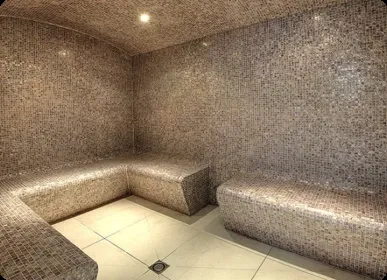
Steam rooms are often grouped with saunas, but the experience is noticeably different. For anyone asking what is steam room, is the simplest explanation is that it is an enclosed space designed to produce warm, humid air using a steam generator. Instead of relying mainly on dry heat, the room fills with moisture, creating a softer and more enveloping environment.
Steam Room and Sauna Are Not the Same
A traditional sauna is usually timber-lined and operates with much drier air. Temperatures can feel more intense, while the low humidity gives the heat a different character. A steam room is normally finished with materials that tolerate moisture, such as tile, glass and appropriate waterproof construction. The temperature is generally lower than in a sauna, but the high humidity can make the space feel very warm.
The choice depends on personal preference, available room and the atmosphere someone wants to create at home.
What Happens During a Steam Session?
Once the steam generator begins operating, warm vapour enters the enclosure and increases humidity. The room gradually becomes misty, surfaces warm up, and the air feels noticeably different from an ordinary shower room.
Many people use the space to sit quietly and unwind. The combination of warmth, humidity and a break from everyday distractions can make the session feel restorative.
Session length should be based on comfort and any relevant professional health advice. More heat is not necessarily better, and anyone who feels dizzy, unwell or uncomfortable should leave the room and cool down.
Looking at Steam Room Benefits Realistically
Discussions about steam room benefits often include a long list of health claims, but it is better to keep expectations realistic. Steam rooms are commonly used for relaxation, warmth and the experience of moist heat. The humid environment may also feel soothing to some people, particularly compared with dry heat.
However, a steam room should not be presented as a treatment for medical conditions or as a way to “detox” the body. It does not replace prescribed treatment, medical advice, exercise, sleep or a balanced diet.
For most homeowners, the strongest reason to install one is simpler: they enjoy the experience and want a dedicated place to relax.
Design Has a Big Effect on Comfort
The experience depends heavily on how the room is designed. Seating should be comfortable, surfaces need to cope with constant humidity, and the steam outlet should be positioned appropriately. Lighting can change the atmosphere considerably. Soft, indirect lighting generally works better in a relaxation-focused space than bright task lighting. Some homeowners also choose larger areas of glass to make a compact steam room feel more open.
The enclosure needs careful waterproofing and construction. Steam can find its way into gaps that ordinary bathroom moisture may not challenge in the same way, so the room should be designed as a proper steam environment rather than simply adding a generator to a standard shower enclosure.
Practical Details Before Installation
A steam room needs a suitable electrical supply, water connection, drainage and ventilation strategy. The generator also requires a sensible service location and should remain accessible for maintenance. Room size influences generator selection, so dimensions and materials should be established before equipment is chosen. Large areas of glass or particular finishes can also affect the overall design.
Homeowners should think about what sits immediately outside the steam room too. A nearby shower, towel storage and slip-resistant flooring can make the overall area easier to use.
How Steam Fits Into a Wider Wellness Space
A steam room can work as a standalone feature or as part of a larger wellness arrangement. Some people combine it with a sauna, shower and relaxation area, while others prefer a compact steam shower within a bathroom.
The right choice depends on available space and budget rather than a single ideal layout. A small but well-designed steam room may be used more often than an oversized space that is inconvenient to heat, clean or maintain.
Planning around actual habits is more useful than simply copying a hotel or spa design.
Conclusion
A steam room is essentially a purpose-built humid heat environment, but a good installation involves much more than producing steam. Waterproof construction, suitable materials, ventilation, generator sizing and practical maintenance access all influence how well the space performs.
The main appeal is the experience itself: warmth, humidity and a quiet place to relax. Careful planning helps turn that experience into a practical part of the home rather than simply another feature that looks impressive but is inconvenient to use.